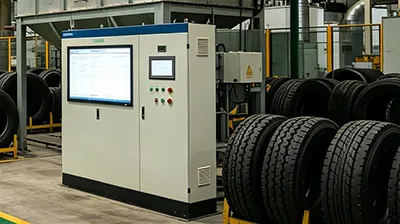
轮胎:电动车与传统车型对比
常规轮胎与电动汽车轮胎的根本差异源于车辆动力与构造的内在区别,这从一开始就决定了它们设计目标的不同。

传统轮胎主要服务于燃油车的发动机和传动系统,优先考虑操控性、耐磨性和静音性这三大基本要求之间的平衡。在能耗方面,仅次要关注降低滚动阻力以减少燃油消耗。
电动汽车轮胎需同时适应两大核心部件:电机与电池。一方面,它们必须承受电机瞬间高扭矩的冲击,另一方面则需支撑比同级燃油车重30%-50%的电池组。此外,还必须优先考虑低滚动阻力以提升续航里程,彻底重塑了设计重点。
本文将围绕性能表现、传统(燃油车)轮胎的特性、电动车轮胎的特性以及背后的关键原因这四个方面进行阐述。
关于滚动阻力系数,传统轮胎(适用于汽油车)的滚动阻力系数通常在6.5至8.5千克/吨之间,行业要求相对较低。而电动车轮胎的滚动阻力系数普遍低于6.0千克/吨,部分高端产品甚至可达4.5千克/吨。
这一差异的核心原因在于,电动汽车的续航里程很大程度上依赖于低滚动阻力。行业数据显示,滚动阻力每降低10%,电动汽车的续航里程就能增加3%至5%。
在承载能力方面,传统轮胎(适用于汽油车)是根据车辆的整备质量设计的,因此其负载余量相对有限。电动车轮胎的承载指数比同尺寸的传统轮胎高出10%至20%。
这是因为电动汽车的电池占据了车辆重量的很大一部分。例如,特斯拉Model 3的电池重量大约为500公斤,远超同级别汽油车的整车重量。这就对轮胎的承载结构提出了更高的强度要求。
在抗冲击性方面,传统轮胎(适用于汽油车)更侧重于应对路面颠簸,而对扭矩冲击的关注较少。相比之下,电动车轮胎拥有更坚固的胎体结构,并在胎侧采用了高强度材料。
这主要是由于电机启动时产生的瞬时扭矩是发动机的2-3倍。例如,特斯拉电机的瞬时扭矩可超过400牛·米。如此高的扭矩容易对轮胎的胎面和侧壁造成冲击损伤,因此电动车轮胎需要更强的抗冲击性能。
The core reason for this discrepancy is that the range of electric vehicles is highly dependent on low rolling resistance. Industry data shows that every 10% reduction in rolling resistance increases the range of electric vehicles by 3%-5%.
In terms of load-bearing capacity, conventional tires (for gasoline-powered vehicles) are designed based on the vehicle's curb weight, resulting in relatively limited load margins. The load-bearing index of electric vehicle tires is 10%-20% higher than that of conventional tires of the same size.
This is because the battery in electric vehicles accounts for a significant portion of the vehicle's weight. For example, the Tesla Model 3's battery weighs approximately 500 kg, significantly exceeding the overall vehicle weight of gasoline-powered vehicles in its class. This requires a stronger tire load-bearing structure.
In terms of impact resistance, conventional tires (for gasoline-powered vehicles) focus more on handling road bumps and pay less attention to torque shock. Electric vehicle tires, on the other hand, have a more robust carcass structure and incorporate high-strength materials into the sidewalls.
This is primarily due to the instantaneous torque generated by the motor upon startup, which is 2-3 times that of the engine. For example, the instantaneous torque of a Tesla motor can exceed 400 Nm. This high torque can easily cause impact damage to the tire's tread and sidewalls, so electric vehicle tires require stronger impact resistance.

最后,关于静音性,传统轮胎(适用于汽油车)仅通过基础花纹设计来实现降噪,在性能排序中,静音性次于耐磨性。而电动车轮胎则采用“静音花纹+吸音材料”的组合,使得其静音性能比传统轮胎提升了20%-30%。
这是因为电动汽车缺乏发动机噪音。在行驶过程中,轮胎噪音成为主要的噪音源,直接影响驾驶员和乘客的体验。因此,静音性是电动汽车轮胎设计中的一个关键特性。
电动汽车轮胎在材料配方和内部结构上进行了针对性调整,这些是传统轮胎所不具备的特点。
优化材料配方
低滚动阻力材料:添加高分散性白炭黑以替代传统炭黑,在保持抓地力的同时减少橡胶分子间的摩擦。这种高端材料在常规轮胎中鲜少使用。
高强度胎面复合胶料:采用芳纶纤维(强度是钢铁的五倍)混合材料,增强了胎面的抗撕裂性能,有效降低了因电动机高扭矩导致的胎面滑移风险。
轻质材料:侧壁采用轻质橡胶混合物,以减轻
Optimized Material Formula
Low Rolling Resistance Material: Highly Dispersed Silica is added to replace traditional carbon black, reducing friction between rubber molecules while maintaining grip. This high-end material is rarely used in conventional tires.
High-Strength Tread Compound: A blend of aramid fiber (five times stronger than steel) enhances the tread's tear resistance, mitigating the risk of tread slippage caused by the high torque of the electric motor.
Lightweight Material: A lightweight rubber compound is used on the sidewalls to reduce 轮胎重量并间接降低能耗。传统轮胎优先考虑橡胶的耐磨性而非轻量化设计。
内部结构调整
增强胎体:采用双层聚酯帘线替代标准单层结构,以提高胎体抗变形能力,防止电池重量下侧壁鼓包。
优化胎唇:增大的胎唇接触面积及采用高强度钢丝圈,增强了轮胎与轮毂的贴合度,有效防止因电动机高扭矩导致的打滑现象。
静音结构:部分高端轮胎在胎面内侧采用“聚氨酯泡沫层”,直接吸收行驶过程中的轮胎噪音,这是普通轮胎所不具备的特性。
Optimized Bead: Increased bead contact area and the use of high-strength steel wire rings enhance tire-wheel contact and prevent slippage caused by the high torque of the electric motor.
Quiet Structure: Some high-end tires incorporate a "polyurethane foam layer" on the inside of the tread to directly absorb tire noise during driving, a feature not found on standard tires.

用法与寿命的差异:适应不同的驾驶习惯
由于两款轮胎的性能设计不同,它们的适用场景和使用寿命存在显著差异。
使用限制:若在电动车上安装标准轮胎,其承载能力不足及滚动阻力过大会显著降低续航里程(可能减少10%-15%)。长期使用还会增加胎侧鼓包和胎面不均匀磨损的风险。相反,电动车专用轮胎虽可能提供更佳的静音性与舒适度,但其耐磨性较差,长期使用成本更高。
寿命差异:在相同行驶里程和路况下,标准轮胎的寿命通常比电动汽车轮胎长10,000至20,000公里。这是因为电动汽车轮胎采用更软的胎面胶以减少滚动阻力,导致耐磨性相对较弱。此外,电池的重压和电动机的高扭矩加速了胎面和胎侧的磨损。
Usage Limitations: If standard tires are installed on electric vehicles, insufficient load capacity and excessive rolling resistance will significantly reduce range (possibly by 10%-15%). Long-term use also increases the risk of sidewall bulging and uneven tread wear. Conversely, while electric vehicle tires may offer improved quietness and comfort, they also offer poorer wear resistance and higher long-term operating costs.
Lifespan Difference: Under the same mileage and road conditions, standard tires typically have a lifespan 10,000-20,000 kilometers longer than electric vehicle tires. This is because electric vehicle tires use softer tread rubber to reduce rolling resistance, resulting in relatively weaker wear resistance. Furthermore, the heavy pressure of the battery and high torque of the electric motor accelerate wear of the tread and sidewall.