无气轮胎:移动出行的一大飞跃
传统充气轮胎因压力失衡引发的安全事故时有发生,而无气轮胎凭借其独特的结构实现了“主动防护”。例如,米其林UPTIS无气轮胎就采用了由高性能树脂辐条构成的“弹性支撑矩阵”。
即便被10毫米钢钉刺穿后,它仍能保持95%的载重能力,使其能够继续安全行驶至少80公里,为驾驶员留出应对紧急情况的时间。
Even after being punctured by a 10mm steel nail, it can maintain 95% of its load-bearing capacity, allowing it to continue safely driving for at least 80 kilometers, giving the driver time to respond to emergencies.

正兴车轮的蜂窝式免充气轮胎已在极端环境中通过测试,从零下40摄氏度到85摄氏度的温度范围内,行驶15万公里后仍无结构损坏。这彻底消除了传统轮胎在低温下气压下降和高温下爆胎的风险。
这种“防爆”特性使其在安全要求极高的领域得到了广泛应用,例如军用车辆和矿山机械。江新科技的无气防爆轮胎已成为众多军用车辆的标准配置,确保在复杂地形中无故障运行。
充气轮胎需要定期检查气压、修补和更换,既耗时又费钱。相比之下,免充气轮胎几乎无需维护。在耐用性方面,江昕免充气轮胎的耐磨性超过传统轮胎三倍以上,使单个轮胎的使用寿命减少了两次更换周期。以共享电单车为例,这每年可减少2000万条轮胎的生产与更换,从而降低运营商的维护成本。
对于商业车队而言,优势更为显著:京东物流配备无气轮胎的自动导引车故障率下降了37%,运维成本降低了22%,有效提升了物流效率。
Pneumatic tires require regular pressure checks, patching, and replacement, which is both time-consuming and costly. Airless tires, on the other hand, are virtually maintenance-free. In terms of durability, Jiangxin's airless tires offer over three times the wear resistance of traditional tires, reducing the lifespan of a single tire by two replacement cycles. For shared e-bikes, for example, this could reduce the production and replacement of 20 million tires annually, lowering maintenance costs for operators.
The advantages are even more significant for commercial fleets: JD Logistics' AGVs equipped with airless tires have seen a 37% decrease in failure rates and a 22% reduction in operating and maintenance costs, effectively improving logistics efficiency.

对于未来的乘用车而言,由米其林与通用汽车共同研发的UPTIS轮胎,能够彻底告别胎压检测和修补。它尤其适合自动驾驶车辆,确保出行“零中断”,减少驾驶员在时间和金钱上的投入。
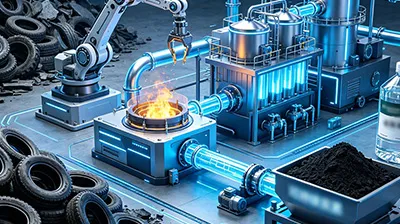
无气轮胎的环保突破贯穿于生产、使用及回收全链条。在生产环节,江鑫采用3D成型与纳米技术,使原材料利用率提升至99.2%,不良率降至0.1%以下,单位能耗较行业平均水平降低10%,极大减少了资源浪费。
玲珑轮胎的轻量化无气轮胎每条仅重3.2公斤,其低滚动阻力设计可提升电动车续航约8%,并降低能耗。在回收环节,江昕的“废橡胶全回收技术”将废旧轮胎转化为可直接用于新轮胎生产的橡胶复合微纤维,形成了闭环产业链。
此举每年可降低原材料成本15%,缓解全球每年15亿条废弃轮胎带来的环境压力,并为“城市矿产”开发开辟新路径。
无气轮胎的现存不足
Linglong Tire's lightweight airless tires weigh only 3.2 kg each, and their low rolling resistance design can increase electric vehicle range by approximately 8% and reduce energy consumption. In the recycling process, Jiang Xin's "waste rubber complete recovery technology" converts used tires into rubber composite microfibers that can be directly used in new tire production, creating a closed-loop industry chain.
This reduces raw material costs by 15% annually, alleviates the environmental pressures posed by the 1.5 billion discarded tires worldwide each year, and provides a new path for "urban mining" development.
Existing Shortcomings of Airless 轮胎限制广泛采用
1. 性能平衡需优化:舒适性与操控性均有提升空间
早期的无气轮胎因滚动阻力大、行驶颠簸而受到批评。尽管材料技术不断进步,它们仍未能超越传统充气轮胎。目前,米其林的UPTIS轮胎通过采用热塑性聚氨酯(TPU)和纳米复合材料,其回弹率已接近充气轮胎的90%。
正兴车轮采用拓扑优化的蜂巢结构,将颠簸吸收能力提升了40%。然而,无气轮胎在高速行驶时仍表现出较差的噪音控制能力,部分车型的车内噪音水平比传统轮胎高出3-5分贝。此外,在紧急刹车和急转弯时,尤其是在湿滑路面上,无气轮胎的抓地力稍显不足,制动距离比传统轮胎长5-8%,影响了驾驶安全性。因此,其结构设计与材料配方仍需进一步优化。
2. 高成本:价格壁垒限制市场渗透
目前,无气轮胎的生产成本远高于传统轮胎,主要原因在于核心材料依赖进口以及生产工艺复杂。数据显示,无气轮胎的价格大约是传统轮胎的2.8倍。一款适用于家庭轿车的无气轮胎售价可能超过2000元,而传统轮胎仅需700至1000元。这种高昂的价格使得普通消费者望而却步。
尽管国内企业正通过开发替代材料加速降低成本,预计未来三年单位成本每年下降8%-10%,且关键原材料价格有望在2025年回归合理区间,但短期内它们仍难以在价格上与传统轮胎竞争,尤其是在中低端乘用车市场,这阻碍了它们的快速普及。
3. 适应性不足:难以覆盖所有车型
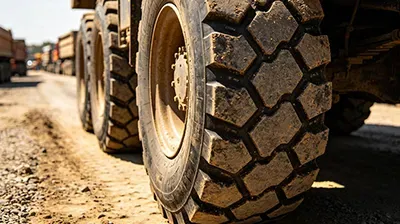
当前的无气轮胎设计主要面向小型车辆,如共享电动滑板车、家用轿车及自动导引车。对于需要更高承载能力的重型卡车和大型巴士来说,适应这些车型则是一大挑战。重型车辆对轮胎的承载能力和耐磨性提出了更高要求。
Although domestic companies are accelerating cost reduction through the development of alternative materials, with unit costs projected to decrease by 8%-10% annually over the next three years and key raw material prices expected to return to a reasonable range by 2025, they will still struggle to compete on price with traditional tires in the short term, especially in the mid- and low-end passenger car market, hindering their rapid adoption.
3. Insufficient Adaptability: Difficulty Covering All Vehicle Types
Current airless tire designs are primarily targeted at small vehicles, such as shared electric scooters, family cars, and automated guided vehicles (AGVs). Adaptation for heavy-duty trucks and large buses, which require higher load capacity, presents a significant challenge. Heavy vehicles require higher load-bearing capacity and wear resistance from tires.

现有的无气轮胎,无论是辐条式还是蜂窝状结构,在长期承受重载时容易出现结构疲劳,大大缩短了使用寿命。此外,一些特殊车型,如跑车,对轮胎的抓地力和响应速度有着严格的要求。目前无气轮胎的性能参数难以满足其需求,且需要针对不同车型开发专属结构,这将增加研发成本与周期,延缓全面场景覆盖的进程。
Existing airless tires, with their spoke or honeycomb structures, are prone to structural fatigue when subjected to heavy loads for extended periods, significantly shortening their service life. In addition, some special models, such as sports cars, have strict requirements on tire grip and response speed. The current performance parameters of airless tires are difficult to meet their needs, and exclusive structures need to be developed for different models. This will increase R&D costs and cycles, and delay the process of full-scene coverage.