轮胎噪音与静音轮胎技术
1. 从“被忽视”到“核心关注”:轮胎噪声的历史性转变
在汽车工业漫长的历史中,轮胎噪音长期以来一直被忽视。早期,燃油动力车辆发动机的轰鸣声、变速箱换挡时的机械噪音以及底盘和传动系统的振动共同构成了车辆噪音的主要来源。
当时,轮胎与路面摩擦产生的噪音被这些更强烈的声响所掩盖。尽管不同轮胎在静音性能上存在差异,但消费者很难直接感知到,因此静音自然也没有成为轮胎选择的核心标准。
然而,随着汽车行业向“电动化、智能化、静音化”转型,这一情况已彻底改变。轮胎噪音从“幕后”走向“台前”,成为影响驾乘体验的关键因素,迫使整个轮胎行业大力投入降噪技术的研发。
However, with the automotive industry's transition toward "electrification, intelligence, and quietness," this situation has been completely changed. Tire noise has moved from the "backstage" to the "front stage," becoming a key factor affecting the driving experience and forcing the entire tire industry to embark on a major effort in developing quieting technology.

2. 提升燃油车静音性:轮胎噪声问题凸显的直接原因
车辆静谧性的全面提升是轮胎噪声日益受到关注的直接原因。近年来,无论是高端燃油车还是主流家用车,都在隔音方面大力投入:车身增加了更多隔音垫,车窗升级为双层夹胶玻璃,发动机舱加装了隔音罩,底盘也安装了隔音护板。这些措施使整车的噪声控制达到了新的高度。
数据显示,十年前主流燃油车在时速60公里时的车内平均噪声水平约为65分贝。如今,同级别车型的车内噪声普遍降至58至62分贝,部分高端车型甚至达到55分贝以下,接近图书馆般的安静程度。
由于“噪声基底”降低,轮胎噪音变得尤为明显。过去被发动机噪音掩盖的轮胎噪音,如今已成为车内最明显的噪音来源。这种“嗡嗡”或“沙沙”的声音在匀速行驶时尤其令人困扰,长时间驾驶容易引起疲劳,显著影响乘坐舒适性。
Data shows that ten years ago, the average interior noise level of mainstream gasoline-powered vehicles at 60 km/h was approximately 65 decibels. Today, the interior noise level of vehicles in the same class has generally dropped to 58-62 decibels, with some high-end models even achieving levels below 55 decibels, approaching the quietness of a library.
With this "low noise floor," tire noise has become dramatically more noticeable. Previously masked by engine noise, tire noise has now become the most noticeable source of interior noise. This "buzzing" or "rustling" sound is particularly disturbing at a constant speed, causing fatigue over extended periods and significantly impacting ride comfort.

3. 电动汽车的普及:将轮胎噪音推至 forefront
电动汽车的日益普及进一步凸显了轮胎噪声问题。与传统的燃油汽车不同,电动汽车没有以发动机为核心的噪声源,电机产生的噪声极低,甚至在低速时可以忽略不计。
这使得轮胎与地面摩擦产生的噪声成为电动汽车的主要噪声源,其影响更为显著。测试数据显示,在相同速度和路况下,电动汽车的轮胎噪声水平比传统燃油车高出3至5分贝,且在更高速度下这一差距进一步扩大。对于追求“极致静谧”驾驶体验的电动汽车用户而言,轮胎噪声无疑已成为影响驾乘满意度的一个显著短板。
与此同时,随着各国收紧车辆噪声排放标准,电动汽车面临着更高的降噪要求。例如,欧盟规定电动汽车在低速行驶时必须发出警示音,以确保行人安全。但在正常行驶速度下,车辆内外的噪声水平都必须满足更严格的标准。这一政策也推动了轮胎企业加大在降噪技术研发方面的投入。
This makes tire-to-ground friction noise the primary noise source in electric vehicles, and its impact is even more significant. Test data shows that at the same speed and road conditions, tire noise levels in electric vehicles are 3-5 decibels higher than those in traditional fuel-powered vehicles. This gap widens further at higher speeds. For electric vehicle users seeking an "ultimately quiet" driving experience, tire noise has undoubtedly become a significant shortcoming that affects vehicle satisfaction.
At the same time, as countries tighten vehicle noise emission standards, electric vehicles face even higher demands for noise control. For example, the EU mandates that electric vehicles emit warning sounds at low speeds to ensure pedestrian safety. However, at normal speeds, both interior and exterior noise levels must meet stricter limits. This policy has also driven tire companies to invest in quieting technology research and development.

4. 多维度突破:轮胎企业静音技术研发布局
面对日益增长的静音轮胎需求,轮胎企业加大研发投入,在材料、结构和花纹设计等多个维度探索降噪技术突破,推动静音轮胎产品不断升级迭代。
(一)材料创新:优化橡胶配方以增强减震降噪性能
在材料研发方面,轮胎企业正在优化橡胶配方,以提升轮胎的减震和降噪性能。传统轮胎主要采用天然橡胶、苯乙烯-丁二烯橡胶等基础材料,这些材料虽然具有优异的耐磨性和抓地力,但在静音性方面存在明显不足。
如今,许多公司正在研发和应用新型聚合物复合材料。例如,他们在橡胶配方中加入特殊的吸音材料或弹性体。这些材料能有效吸收轮胎与路面摩擦产生的振动能量,从而减少噪音的产生和传播。
例如,米其林的“静音技术橡胶配方”采用了高分散性二氧化硅,不仅能提升湿地抓地力,还能通过分散摩擦应力来降低轮胎噪音。固特异开发了“SoundComfort”技术,在轮胎内部加入特殊的泡沫隔音层,有效吸收空气传播的振动噪音,使车内噪音降低2至3分贝。
(二)结构优化:减小振动并缩短噪声传递路径
在结构设计方面,轮胎企业正在优化轮胎胎体结构和胎面轮廓,以减少噪声传播路径。传统的轮胎胎体结构相对简单,胎面与侧壁之间的过渡区域较为突兀,在行驶过程中容易产生明显的振动和噪声。
如今许多静音轮胎采用“非对称胎体结构”。通过调整胎体的帘线布局和层数,使轮胎在负载下实现更均匀的应力分布,从而减少振动。此外,优化后的胎面轮廓,如弧形或变截面胎面,可确保与地面接触面积更加均匀,接触压力分布更均衡,进而降低摩擦噪音。
此外,一些轮胎的侧壁上设计有“静音沟槽”,这些沟槽可引导气流,减少滚动过程中产生的湍流噪音,进一步增强降噪效果。
(三)模式创新:打破共振,降低噪声叠加效应
在花纹设计方面,轮胎企业正在不断创新胎面花纹及其排列方式,以打破噪声的“共振效应”,降低噪声的叠加。轮胎花纹是影响轮胎噪声的关键因素。传统轮胎通常采用规则、对称的设计,在行驶过程中,当胎面块与地面接触时会产生周期性的冲击噪声,这些噪声频率相近,容易发生共振,导致噪声被放大。
为解决这一问题,静音轮胎通常采用非对称胎面设计和变节距胎面排列。非对称胎面设计将胎面分为内侧和外侧两个区域:内侧胎面注重静音性和排水性,具有较宽的横向沟槽和较小的块状花纹;而外侧胎面则注重抓地力和耐磨性,具有更宽的块状花纹和更密集的纵向沟槽。这两个区域的功能分工在确保性能的同时降低了噪音。
变节距花纹设计通过调整花纹块的大小和间距,分散接地时产生的噪音频率,防止共振,有效降低整体噪音水平。
5. 技术赋能:先进测试与仿真加速研发
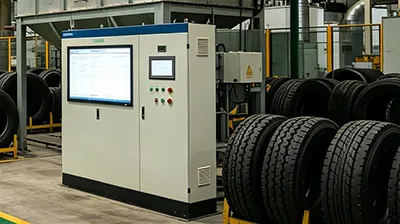
除了技术研发外,轮胎企业还利用先进的测试方法和模拟技术来提高静音轮胎的研发效率和产品性能。如今,许多公司都设有专业的噪声测试实验室,并配备了先进的声学测试设备。
这些实验室能够模拟
(III) Pattern Innovation: Breaking Resonance and Reducing the Effect of Noise Superposition
In terms of pattern design, tire companies are innovating in tread patterns and arrangements to break the "resonance effect" of noise and reduce the superposition of noise. Tire pattern is a key factor influencing tire noise. Traditional tires often use a regular, symmetrical design. During driving, the tread blocks generate periodic impact noise when they come into contact with the ground. These noises have similar frequencies and are prone to resonance, leading to noise amplification.
To address this issue, silent tires commonly utilize an asymmetric tread design and a variable-pitch tread arrangement. The asymmetric tread design divides the tread into two areas: an inner and outer tread. The inner tread prioritizes quietness and drainage, featuring wider transverse grooves and smaller blocks. The outer tread, on the other hand, prioritizes grip and wear resistance, featuring wider blocks and denser longitudinal grooves. This functional division of labor between these areas ensures performance while reducing noise.
The variable-pitch tread arrangement adjusts the size and spacing of the tread blocks to disperse the frequency of the noise generated when they contact the ground, preventing resonance and effectively reducing overall noise levels.
5. Technological Empowerment: Advanced Testing and Simulation Accelerate R&D
In addition to technological research and development, tire companies are also utilizing advanced testing methods and simulation technologies to improve the R&D efficiency and product performance of silent tires. Many companies now have professional noise testing laboratories equipped with advanced acoustic testing equipment.
These labs are capable of simulating 轮胎在不同路况和行驶速度下的噪声,并准确测量和分析轮胎噪声水平。
此外,利用计算机仿真技术,企业可以在产品设计阶段预测并优化轮胎的噪声性能,减少物理原型的制作数量,缩短研发周期,降低研发成本。
例如,倍耐力在轮胎设计初期利用“虚拟声学仿真平台”,对不同胎面花纹、结构和材料方案的噪声性能进行模拟。通过对比分析选出最优方案后,再试制实物样件并进行测试,大幅提高了静音轮胎研发的效率。
For example, Pirelli utilizes a "virtual acoustic simulation platform" to simulate the noise performance of different tread patterns, structures, and material options during the initial stages of tire design. Through comparative analysis, the optimal solution is selected, and then physical prototypes are trial-produced and tested, significantly improving the efficiency of quiet tire R&D.