四季轮胎:自驾游必备之选
长途旅行的魅力在于翻山越岭、邂逅各异风光,但复杂多变的路况与气候也对车辆轮胎提出了严苛考验。在夏季胎、冬季胎和全季胎之间,全季胎以其卓越的适应能力,成为了长途旅者的首选。
与夏季轮胎仅能在温暖、干燥或微湿路面上表现良好相比,全季节轮胎凭借其“全场景适应”的核心优势,打破了季节与路况的限制,为长途驾驶提供了稳定、安心且无忧的行车体验。
Compared to summer tires, which only perform well on warm, dry, or slightly slippery roads, all-season tires, with their core advantage of "all-scenario compatibility," break the limitations of seasons and road conditions, providing a stable, safe, and worry-free driving experience for long journeys.

全季节轮胎的适应性主要体现在其对跨区域气候的兼容性上。长途旅行常常需要穿越不同的气候带:清晨可能遭遇南方平原的阵雨,下午则要面对山区降温的挑战,傍晚在北部路段或许会遇到残留的露水,甚至在春秋季节还可能突遇寒潮。
夏季轮胎的橡胶材质在低温下会变硬并失去弹性,大大降低了抓地力,导致紧急制动时刹车距离明显延长,转向反应也变得迟钝。
全季节轮胎采用特殊橡胶配方,能在高温稳定性与低温柔韧性之间取得平衡,即便在5℃至25℃的宽广温度区间内,也能保持橡胶性能的最佳状态。以秋季从华北长途行驶至西北地区为例,白天气温可达20℃,而夜间则可能降至0℃左右。
夏季轮胎在低温路段容易打滑,而全季节轮胎通过优化的橡胶分子结构,在白天高温下防止过度软化导致抓地力下降,在夜间低温时保持足够弹性,确保轮胎与路面紧密贴合,提供更安全的驾驶体验。
在应对复杂路况的适应能力方面,全季节轮胎相比夏季轮胎同样展现出了更优的性能。长途旅行路线往往不止于高速公路,可能还会涉及国道、省道乃至一些未铺装路面,路况从平坦的沥青路面、湿滑路段到轻度碎石和坑洼,不断变化。
夏天
Summer tires are prone to slipping in low-temperature sections, while all-season tires, through their optimized rubber molecular structure, prevent excessive softening and loss of grip under high daytime temperatures, and maintain sufficient elasticity at low nighttime temperatures, ensuring a close fit between the tire and the road surface for a safer driving experience.
In terms of adaptability to complex road conditions, all-season tires also demonstrate superior performance compared to summer tires. Long-distance travel routes often extend beyond highways, potentially involving national roads, provincial roads, and even some unpaved surfaces, with road conditions constantly changing from smooth asphalt and wet, slippery areas to light gravel and potholes.
Summer 轮胎这些轮胎的设计注重干地抓地力和排水性能。其较浅的沟槽和较硬的胎块在碎石或颠簸路面上减震效果不佳,且胎面刚性不足可能导致鼓包和爆胎。

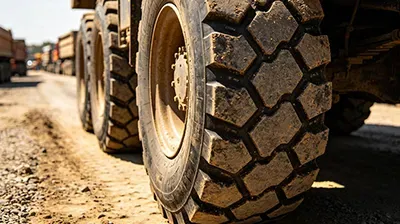
相比之下,全季轮胎拥有更深的胎面花纹和更坚固的胎体结构。其沟槽能有效排水并捕获路面杂物,从而减少轮胎磨损。加厚的侧壁橡胶和加强的帘布层为轮胎提供了更好的抗冲击保护,降低了长途行驶中因坑洼导致的轮胎损坏概率。
例如,在西南多山地区的国道上,路面常布满碎石且连续起伏,夏季轮胎因频繁颠簸可能出现胎面裂纹。而全天候轮胎则具备更强的抗冲击能力,即便长时间在复杂路况下行驶,也能保持性能稳定。
全季节轮胎的实用性还体现在其便利性上,无需频繁更换。长途旅行往往行程紧凑,若选用夏季轮胎,一旦遭遇气温骤降或雨雪天气,就必须更换轮胎,这不仅会打乱行程,还会带来额外的时间与金钱成本。
另一方面,四季轮胎覆盖了春、夏、秋以及温和冬季的使用场景,免去了因季节或行程变化而频繁更换轮胎的麻烦。这种便利性对于跨省乃至跨国长途旅行尤为重要。
例如,从海南驾车至东北的旅程长达数千公里,气候由热带湿润逐渐过渡至温带寒冷。夏季轮胎在北方冬季路面上无法使用,而全季节轮胎凭借其广泛的温度适应范围,能够应对旅途中的各种气候条件,让旅行者无需为更换轮胎烦恼,专心欣赏沿途风光。
The practicality of all-season tires also lies in their convenience, eliminating the need for frequent replacements. Long-distance travel often involves tight schedules. If summer tires are chosen, sudden drops in temperature or rain/snow necessitate tire changes, disrupting the journey and incurring additional time and financial costs.
All-season tires, on the other hand, cover the use scenarios of spring, summer, autumn, and mild winters, eliminating the need for frequent tire changes based on season or itinerary. This convenience is especially important for long-distance travel across provinces or even countries.
For example, a road trip from Hainan to Northeast China covers thousands of kilometers, with the climate gradually transitioning from tropical humidity to temperate cold. Summer tires are unusable on northern winter roads, but all-season tires, with their wide temperature adaptability, can adapt to different climate conditions throughout the journey, allowing travelers to focus on enjoying the scenery without the hassle of tire changes.

此外,全季轮胎在燃油经济性和耐用性方面同样具备优势。夏季轮胎旨在提供最大抓地力,因此滚动阻力较高,长期使用会增加油耗。相比之下,全季轮胎在配方设计上平衡了抓地力与低滚动阻力。通过优化胎面花纹和橡胶成分,它们减少了行驶过程中的能量损失,从而节省燃油。
此外,全季节轮胎磨损更为均匀,通常比夏季轮胎拥有更长的使用寿命。对于频繁的长途旅行而言,这有效降低了轮胎更换频率,减少了运营成本。
Furthermore, all-season tires wear more evenly, typically resulting in a longer lifespan than summer tires. For frequent long-distance travel, this effectively reduces tire replacement frequency and lowers operating costs.