子午线轮胎与斜交轮胎:主要区别
在汽车和商用车辆的行驶系统中,轮胎是唯一与路面接触的核心部件。其结构设计直接决定了车辆的操控性、安全性和经济性。虽然子午线轮胎(通常称为“钢丝帘线”)和斜交轮胎(通常称为“尼龙帘线”)均为充气轮胎,但它们在胎体帘线排列方式上的根本差异,导致了其性能特点和应用场合的不同。
充分了解两者之间的差异不仅有助于用户根据自身需求选择合适的轮胎,而且在实际应用中还有助于优化车辆性能并降低运营成本。
A thorough understanding of the differences between the two not only helps users select the appropriate tire for their needs but also helps optimize vehicle performance and reduce operating costs in practice.

一、核心定义:绳索排列角度决定本质差异
两者的根本区别在于帘线层的角度和结构逻辑,这也是“子午线轮胎”和“斜交轮胎”的核心区别。斜交轮胎(也称为普通轮胎):其胎体层和带束层的帘线以交叉方式排列,呈十字形,与胎面中心线形成小于90°的角度(通常为30°-40°),类似于传统织物的经纬编织方式,从而形成一个整体的胎体结构。
子午线轮胎:胎体帘线呈径向排列,与胎面中心线接近垂直(角度约为90°),类似于地球的经线。在胎体与胎面之间设有一个单独的高强度带束层(主要由钢丝制成,因此通常称为“钢丝轮胎”),起到类似“腰带”的作用,用来紧固胎体,提高胎面的刚性和稳定性。
二、结构设计:从分层角度出发的耐用性与散热
结构设计的差异直接影响轮胎胎体强度、散热效率和长期耐用性,从而形成两种截然不同的底层性能原理。
(1)斜交轮胎:多层结构的双刃剑
斜交轮胎的胎体由多层交织叠加的尼龙帘线构成,没有独立的带束层。胎面和胎体的刚性呈渐进式分布。这使得胎体坚固,启动时胎面不易变形,并提供出色的纵向支撑。然而,交织的帘线层之间会产生许多摩擦点。行驶过程中,帘线之间的摩擦导致胎体内积聚热量,难以快速散发。长期使用会加速胎体老化。
(2)子午线轮胎:“子午线帘布层+带束层”科学承重系统
子午线轮胎利用“径向帘布层”和高强度带束层的组合,打造出卓越的承载结构:
径向帘布层直接将胎体力量传递到轮辋,从而减少内部能量损耗。
钢带可均匀分布胎面接触压力,从而在高速行驶时限制胎面的“膨胀变形”(例如,防止高速转弯时胎面过度拉伸)。
更少的层级(卡车和客车的子午线轮胎通常有2-4层,而斜交轮胎通常有6-8层)减少了内部摩擦热源。此外,带束层相比尼龙帘布具有更优异的散热性能,使得整体散热效率比斜交轮胎提高超过30%,从而为高速、高负荷工况提供了有力支撑。
三、性能比较:从耐磨性到安全性的直观差异
在真实道路驾驶场景中,两款轮胎的性能差异立刻显现出来,尤其在耐磨性、操控性和经济性这三个核心维度上表现明显。
(1)耐磨性:子午线轮胎具有明显更长的使用寿命
子午线轮胎的带束层增加了胎面的接触面积,并使压力分布更加均匀,从而导致胎面磨损更加缓慢。在相同条件下,其使用寿命是斜交轮胎的1.5到2倍。例如,卡车或客车在高速公路上行驶可以超过10万公里,而斜交轮胎只能行驶5万至6万公里。由于接地压力不均匀,斜交轮胎容易出现“肩部斑块磨损”或“局部胎面磨损”,在铺装路面上长期行驶时,其缺点更加明显。
(2)操控性与安全性:子午线轮胎适用于高速驾驶
在高速行驶时,子午线轮胎的带束层可抑制胎面“蠕动”(胎面接触路面时产生的微小滑动),从而实现更灵敏的转向反应和更短的制动距离。实验数据显示,使用子午线轮胎的车辆以每小时100公里的速度行驶时,其制动距离比使用斜交轮胎的车辆短5至8米。斜交轮胎由于胎面刚性不足,在高速行驶时容易出现“摆振”(轻微的左右摆动)。此外,在雨天行驶时排水性能较差,导致抓地力迅速下降,打滑风险增加。
(3)经济性:前期投入较高,但长期回报可观
子午线轮胎的制造成本(由于钢带和精密工艺)比斜交轮胎高20%-30%,但其滚动阻力低15%-20%,从而直接降低了燃油消耗。例如,对于一辆50吨的卡车或客车,子午线轮胎每行驶100公里可节省2-3升燃油。按每年行驶10万公里、柴油价格每升7元计算,一年可节省燃油费用1.4万至2.1万元,远远超过了初始成本差异。虽然斜交轮胎初期价格较低,但其较高的油耗和较短的使用寿命会导致长期总成本更高。
III. Performance Comparison: Intuitive Differences from Wear Resistance to Safety
In real-world driving scenarios, the performance differences between the two tires are immediately noticeable, particularly in the three core dimensions of wear resistance, handling, and economy.
(1) Wear Resistance: Radial Tires Have Significantly Longer Lifespans
The belt layer of a radial tire increases the tread contact patch and evenly distributes pressure, resulting in more gradual tread wear. Under the same conditions, its service life is 1.5-2 times that of a bias tire. For example, a truck or bus can travel over 100,000 kilometers on highways, while a bias tire can only last 50,000-60,000 kilometers. Due to the uneven ground pressure, bias tires are prone to "spotted shoulder wear" or "partial tread wear," and their disadvantages are more pronounced during long-term driving on paved roads.
(2) Handling and Safety: Radial Tires Are Ideal for High-Speed Driving
At high speeds, the belt layer of a radial tire suppresses tread "squirm" (the tiny slippage of the tread when it contacts the road), resulting in more responsive steering and shorter braking distances. Experimental data shows that vehicles traveling at 100 kilometers per hour with radial tires achieve a braking distance 5-8 meters shorter than those with bias tires. Bias tires, due to their lack of tread rigidity, are prone to "shimmy" (slight side-to-side swaying) at high speeds. They also have poor drainage in rainy conditions, resulting in rapid loss of grip and an increased risk of skidding.
(3) Economical: High initial investment for high long-term returns
The manufacturing cost of radial tires (due to the steel belt and precision craftsmanship) is 20%-30% higher than that of bias tires, but their rolling resistance is 15%-20% lower, directly reducing fuel consumption. For example, for a 50-ton truck or bus, radial tires save 2-3 liters of fuel per 100 kilometers. Based on an annual mileage of 100,000 kilometers and a diesel price of 7 yuan per liter, this translates to an annual fuel cost savings of 14,000-21,000 yuan, far exceeding the initial cost difference. While bias tires may be initially cheaper, their higher fuel consumption and shorter lifespan result in higher long-term total costs.

四、适用场景:“按需选配”的“分工明确”
两种轮胎类型的性能差异决定了它们在不同场景中的应用。不存在绝对的“优劣之分”,应根据实际需求进行选择。
(I)斜交轮胎:“成本优化型”,适用于利基应用领域
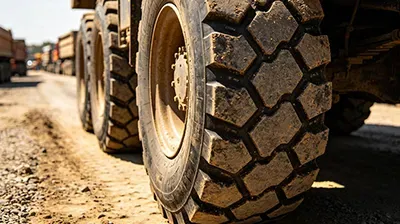
斜交轮胎具有出色的纵向刚性和高抗冲击性(多层尼龙帘线可缓冲小石子带来的冲击)。它们适用于低速、未铺装路面或轻载工况,例如小型农用拖拉机、低速货车(≤60公里/小时)以及工程机械的辅助轮胎。这些应用对高速性能和耐磨性的要求较低,因此非常适合低成本应用。
(二)子午线轮胎:主流应用的“性能标准”
由于其高速性能、耐磨性和低油耗,子午线轮胎已成为主流车辆的首选:
乘用车:接近100%的渗透率,家庭轿车和SUV均采用。
商用车辆:通常用于在高速公路上行驶的重型卡车和客运巴士;
特种车辆:城市公交车(频繁启停、负载高)和冷链物流车辆(长时间高速运行),由于其高可靠性和低维护成本,它们已成为标准配置。
五、技术趋势:径向技术
Specialty Vehicles: Urban buses (frequent stops and starts, high loads) and cold chain logistics vehicles (long periods of high-speed operation), where they have become standard due to their high reliability and low maintenance costs.
V. Technology Trends: Radial 轮胎升级与偏斜轮胎的利基持续性
随着汽车工业对能效、安全性和效率的要求不断提高,子午线轮胎技术持续发展,具备诸如“全钢帘布层”(增强强度)、“低滚动阻力胎面材料”(降低燃油消耗)以及“自修复胎面”(应对轻微刺穿)等特点。斜交轮胎已逐渐退居到小众应用领域,但尚未被完全取代——在对成本敏感且工况简单的应用中仍具有不可替代的价值。
了解两者之间的核心差异,不仅能够加深您对轮胎技术的理解,也是实现车辆“精准选配、高效使用”的关键,最终帮助用户在“成本”与“性能”之间找到最佳平衡点。
Understanding the core differences between the two not only deepens your understanding of tire technology, but is also the key to achieving "precise selection and efficient use" of vehicles, ultimately helping users find the optimal balance between "cost" and "performance."