纵向轮胎胎面:分析与指南
在轮胎胎面设计中,纵向花纹凭借其独特的“纵向连续、横向不连续”结构,已成为大多数城市道路状况下的经典选择。这种花纹不仅仅是一组简单的线条组合,更是工程师基于力学原理和实际使用场景反复优化的结果。
它在具备降低行驶阻力核心功能的同时,在排水安全性与道路适应性方面也具有显著的技术特点。然而,由于其结构特性,也存在一定的使用局限性。准确把握其适用场景,对确保行车安全和延长轮胎寿命至关重要。
While it carries the core function of reducing driving resistance, it also offers distinct technical features in terms of drainage safety and road adaptability. However, due to its structural characteristics, it also has certain usage limitations. Precisely targeting its application scenarios is crucial for ensuring driving safety and tire life.

从结构上看,纵向花纹的“纵向连续性”是指主沟槽沿轮胎圆周方向连续延伸,形成较长且不间断的排水通道;而“横向不连续性”则是指较短、较浅的横向沟槽,仅作为辅助连接与主纵向沟槽相连,通常表现为窄缝或细线,不会破坏纵向结构的整体性。
这种设计与横向花纹图案形成鲜明对比,后者主要采用宽而深的横向主沟槽,并通过狭窄的纵向胎面连接。虽然这能增强抓地力,但横向沟槽与路面之间较大的摩擦面积却显著增加了阻力。
纵向花纹的连续纵向结构在轮胎行驶方向上起到“平滑路径”的作用。当轮胎向前滚动时,纵向主沟槽更贴近路面,减少了横向沟槽与路面之间的剪切摩擦,这是其滚动阻力系数显著低于横向花纹的根本原因。
数据显示,对于相同尺寸和材料的轮胎,纵向花纹的滚动阻力通常比横向花纹低15%-20%。这一特性不仅可降低燃油消耗(每百公里减少0.3-0.5升),还能减少行驶过程中的发热,延缓橡胶老化,延长轮胎使用寿命。
纵向花纹的另一大优势是排水性能,其设计原理与雨天行驶的安全需求完美契合。如果路面雨水不能迅速排出,轮胎与地面之间就会形成“水膜”,从而大幅降低抓地力,可能导致打滑和失控。
纵向花纹的连续主沟槽可解决这一问题。这些沟槽通常宽8-12毫米,深6-8毫米,在轮胎表面起到“排水通道”的作用。当轮胎滚动时,离心力会迅速将接触地面的水导入纵向沟槽,并通过连续的通道从轮胎两侧排出。
Data shows that for tires of the same size and material, longitudinal treads typically have 15%-20% lower rolling resistance than transverse treads. This characteristic not only reduces fuel consumption (by 0.3-0.5 liters per 100 kilometers), but also reduces heat generation during driving, slowing rubber aging and extending tire life.
Water drainage is another core advantage of the longitudinal tread pattern, and its design logic perfectly aligns with the safety requirements of driving in rainy weather. If rainy road water isn't drained away quickly, a "water film" forms between the tire and the ground, dramatically reducing grip and potentially leading to slippage and slippage.
The continuous main grooves of the longitudinal tread pattern address this problem. These grooves, typically 8-12 mm wide and 6-8 mm deep, act like "drainage channels" on the tire surface. As the tire rolls, centrifugal force quickly "channels" any water that contacts the ground into the longitudinal grooves, where it is then drained away from both sides of the tire through the continuous channels.

实验表明,在雨中以60公里/小时的速度行驶时,
Experiments have shown that at a speed of 60 km/h in the rain, 轮胎纵向花纹的排水效率比横向花纹高出30%以上,能将水膜厚度保持在0.1毫米以下,显著降低雨天行驶的安全隐患。
此外,纵向花纹中较短的横向辅助沟槽进一步分割水膜,提高了排水的均匀性,尤其降低了转弯时单侧积水对转向稳定性的影响。
然而,纵向花纹的结构特点也带来一个明显的局限性:嵌石问题。由于纵向主沟槽连续且较深,路面上的小石子、沙粒和其他杂物容易被轮胎滚动时的压力“压入”沟槽中。
一方面,纵向沟槽的横向断开设计能有效“包裹”石块,防止其随轮胎旋转而自然脱落;另一方面,狭窄的横向辅助沟槽无法像较宽的横向沟槽那样通过横向振动将石块甩出。
长期石子嵌入沟槽会带来多重风险:首先,石子磨损沟槽侧壁,导致沟槽变窄、深度变浅,直接降低排水性能;其次,较大的石子在行驶中可能被挤压,刺穿胎面造成慢漏气;最后,石子与路面摩擦产生的“咔嗒”声会增加行驶噪音,影响驾驶舒适性。
因此,使用纵向花纹轮胎的车主应定期检查胎面,并及时清除嵌入的石子。特别是在碎石路或建筑工地行驶后,更应如此,以防止因石子嵌入而引发的安全问题。
根据上述性能特点,纵向花纹专门针对“干净、坚硬的路面”而设计。这种定位能够充分发挥其优势,同时有效规避其局限性。城市道路、高速公路和国道等铺装路面非常适合采用纵向花纹,这些路面平整,无碎石和杂物,大大降低了嵌石风险。
此外,硬质路面的平整性充分体现了纵向花纹低滚动阻力的优势,使其适合长时间高速行驶,降低油耗和轮胎磨损。
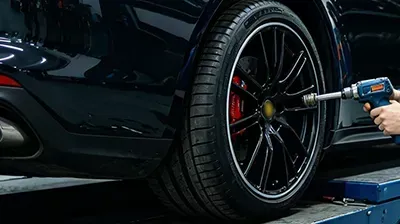
从车辆适用性的角度来看,主要用于城市通勤和长途巡航的家庭轿车、紧凑型SUV以及商用车辆,对低滚动阻力和高排水性能的需求远高于极致抓地力,因此成为纵向花纹轮胎的主要应用对象。
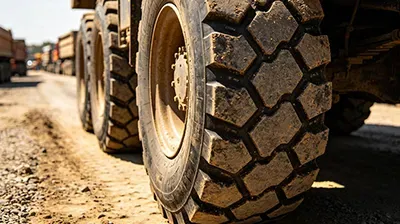
例如,大多数家用轿车原厂配备的轮胎采用纵向花纹设计,既能为日常通勤提供经济舒适的驾乘体验,也能应对雨天城市复杂路况。然而,对于经常在泥泞、碎石及越野路面行驶的车辆而言,由于路面杂物较多且对抓地力要求较高,纵向花纹的局限性就会被放大。因此,横向或混合花纹设计的轮胎更为合适。
Therefore, owners of tires with longitudinal tread patterns should regularly inspect the tread and promptly remove embedded stones. This is especially important after driving on gravel roads or construction sites to prevent safety issues caused by embedded stones.
Based on the aforementioned performance characteristics, longitudinal tread patterns are precisely targeted at "clean, hard surfaces." This positioning maximizes their advantages while effectively circumventing their limitations. Paved surfaces such as urban roads, highways, and national highways are ideal for longitudinal tread patterns. These surfaces are smooth and free of stones and debris, minimizing the risk of embedded stones.
Furthermore, the smoothness of hard surfaces fully demonstrates the low rolling resistance advantage of longitudinal tread patterns, making them suitable for long-term high-speed driving, reducing fuel consumption and tire wear.
From a vehicle compatibility perspective, family sedans, compact SUVs, and commercial vehicles, primarily used for urban commuting and long-distance cruising, require low rolling resistance and high water drainage far more than they require extreme grip, making them the primary applications for longitudinal tread patterns.
For example, most factory-installed tires for family sedans feature a longitudinal tread design, which provides both economical comfort for daily commuting and the ability to handle the complex road conditions of rainy urban areas. However, for vehicles frequently used on muddy, gravel, and off-road roads, the limitations of longitudinal treads are magnified due to the high level of road debris and the high grip requirements. Therefore, tires with transverse or mixed tread patterns are more suitable.

值得注意的是,随着轮胎技术的进步,现代纵向花纹设计不断优化,以解决石子嵌入的问题。一些品牌在纵向沟槽内加入了“挡石凸块”——即沟槽底部的小突起。当石子嵌入时,这些凸块会产生反作用力,减小石子的嵌入深度,使其更容易脱落。
其他设计采用倾斜的侧壁,以减小石子在沟槽中的嵌入程度,并提高排屑效率。这些改进保留了纵向花纹的核心优势:低滚动阻力和良好的排水性能,同时在一定程度上缓解了石子嵌入问题,进一步拓宽了其应用范围。
Other designs incorporate an angled sidewall to reduce the fit of the stone within the groove and improve debris removal efficiency. These improvements retain the core advantages of longitudinal treads: low rolling resistance and strong water drainage, while also alleviating the problem of stone embedment to a certain extent, further broadening their application range.