全季轮胎与全天候轮胎的区别
根据轮胎行业标准(如GB/T 2978-2014《轿车轮胎》),全季节与全天候轮胎同属一个产品类别,技术规格完全一致。它们的名称差异仅出于市场营销的需要。
全季节轮胎注重“季节适应性”,强调在春、夏、秋、冬四季及非极端气候下的适用性。其核心性能指标在于温度范围(-10°C至30°C)。
全天候
All-weather 轮胎专注于“环境适应性”,强调其在多种道路条件下的应对能力,包括雨、晴及小雪天气。其核心性能指标为湿地抓地力(湿制动距离)和雪地操控性。
两款轮胎均遵循“均衡性能优先”的设计理念,这与夏季轮胎(注重干地操控与高温稳定性)和冬季轮胎(强调低温抓地力及冰雪路面操控性)这类单一用途轮胎形成了鲜明对比。
Both tires adhere to the design philosophy of "balanced performance first," distinguishing them from single-purpose tires like summer tires (which prioritize dry handling and high-temperature stability) and winter tires (which prioritize low-temperature grip and snow and ice maneuverability).

全季节轮胎通过花纹、胶料配方与胎体结构三大核心技术的协同设计,实现了多场景下的均衡性能。具体技术参数如下:
1. 胎面花纹设计:优化排水与雪地抓地性能
沟槽结构:采用宽主沟槽与细辅助沟槽相结合的设计,主沟槽宽度≥12毫米,深度≥7毫米。基于流体动力学原理优化的沟槽布局,使排水速率超过1.5升/秒(依据ISO 10844标准测试),有效降低雨天行驶时发生水滑现象的风险。
胎面花纹块设计:花纹块刚度系数控制在0.8至1.2之间(行业平均水平),边缘设有锯齿状细缝(宽度0.5-1毫米)。此设计依据ASTM D4001标准进行测试,在轻度积雪路面(积雪深度≤3厘米)上可提升雪地抓地力20%-30%。F1805
对比差异:夏季轮胎的主沟槽宽度通常≤10毫米,注重在干燥路面上保持胎面完整性。而冬季轮胎则拥有密集的细缝(每平方厘米≥5条)和宽阔的接地面积,其雪地抓地力比全季轮胎高出50%以上。
2. 橡胶配方:在宽广温度范围内保持弹性
基本配方:采用“天然橡胶+丁苯橡胶+顺丁橡胶”三元复合体系,其中高苯乙烯丁苯橡胶占比15%-20%,实现了耐磨性与弹性的平衡。
功能性添加剂:添加3%-5%的二氧化硅(白炭黑)以增强湿抓地力。引入低温增塑剂,确保在-10°C时邵氏硬度≤65HA(测试标准:GB/T 531.1),以防冷硬化。
对比差异:夏季轮胎的邵氏硬度≥70HA(需具备高温稳定性),而冬季轮胎则添加了8%-10%的低温弹性体,在-20°C时仍保持邵氏硬度≤55HA。
3. 骨架结构:支撑与舒适的平衡
帘线材质:采用高强度聚酯帘线(断裂强度≥500N/tex),胎体帘布层数为2-3层,确保在高速(≥120km/h)行驶时胎面变形≤3mm(测试标准:GB/T 4502)。
侧壁设计:侧壁橡胶厚度≥5mm,弹性模量控制在8-12MPa之间,能够在颠簸路面(振幅5mm,频率10Hz)上过滤40%-50%的振动(测试标准:ISO 8608)。
对比差异:运动型轮胎的胎壁弹性模量≥15兆帕,注重操控支撑;舒适型轮胎的胎壁弹性模量≤6兆帕,侧重减震效果,但在高速行驶时稳定性较差。
Comparative Difference: Summer tires have a Shore hardness of ≥70HA (requires high-temperature stability), while winter tires incorporate 8%-10% low-temperature elastomer, maintaining a Shore hardness of ≤55HA at -20°C.
3. Carcass Structure: Balancing Support and Comfort
Cord Material: High-strength polyester cord (breaking strength ≥500N/tex) is used, with a carcass ply count of 2-3, ensuring tread deformation ≤3mm at high speeds (≥120km/h) (test standard: GB/T 4502).
Sidewall Design: Sidewall rubber thickness ≥5mm, with an elastic modulus controlled between 8-12MPa, capable of filtering 40%-50% of vibration on bumpy roads (5mm amplitude, 10Hz frequency) (test standard: ISO 8608).
Comparative Differences: Sport tires have a sidewall elastic modulus ≥15MPa, focusing on handling support; Comfort tires have a sidewall elastic modulus ≤6MPa, focusing on shock absorption but with less stability at high speeds.

根据行业测试数据(如欧盟标签法规和美国交通部认证测试),全季节轮胎在以下三种场景中具有明显的性能优势,应予以避免使用:
1. 极低温和雪地环境
温度限制:当环境温度≤-15°C时,全季轮胎的橡胶硬度上升至75HA以上,湿滑路面制动距离(从60公里/小时减速至0)由35米增至超过45米(测试环境:-20°C,冰面),显著长于冬季轮胎的28米或更短。
雪线条件:当积雪深度达到或超过5厘米且存在压实冰层时,全季节轮胎的胎面花纹沟槽易被冰雪堵塞,导致侧向抓地系数从0.6降至0.3以下(测试标准:ISO 12417-2),从而无法满足转向与制动需求。
2. 高强度驾驶场景
操控极限:在连续弯道测试中(半径50米,时速80公里),全季轮胎的侧向加速度≤0.8g,而夏季轮胎则超过1.0g,运动轮胎更是达到≥1.2g。
磨损风险:在高强度驾驶(如赛道日使用)情况下,全季节轮胎的胎面花纹块磨损速度比正常驾驶条件下快3-4倍,使其使用寿命缩短至不足5,000公里(相比之下,正常驾驶条件下的寿命约为40,000至60,000公里)。
3. 未铺砌道路环境
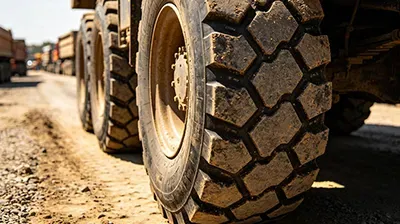
耐磨性:在碎石路面测试中(时速60公里,行驶1000公里),四季轮胎胎面磨损≥3毫米(测试标准:GB/T 9763),而越野轮胎磨损≤1毫米。
结构强度:未铺装路面上的尖锐碎石极易刺穿四季轮胎的侧壁(侧壁抗穿刺力≤800N)。而越野轮胎通过加厚侧壁(厚度≥8mm)并采用凯夫拉防刺穿层,使其抗穿刺能力超过1500N。
Wear Risk: Under high-intensity driving (such as track day use), the tread blocks of all-season tires wear 3-4 times faster than under normal driving conditions, shortening their service life to less than 5,000km (compared to approximately 40,000-60,000km under normal driving conditions).
3. Unpaved Road Environment
Abrasion Resistance: In a gravel road test (60 km/h, 1000 km), all-season tires achieved tread wear ≥3mm (test standard: GB/T 9763), while off-road tires achieved wear ≤1mm.
Structural Strength: Sharp gravel on unpaved roads easily punctures the sidewalls of all-season tires (sidewall puncture resistance ≤800N). Off-road tires, through thickened sidewalls (≥8mm thickness) and a Kevlar puncture protection layer, achieve puncture resistance exceeding 1500N.

全季轮胎(全天候轮胎)是一种平衡型轮胎,融合多种技术设计,旨在满足大多数日常城市通勤场景的需求。然而,其性能受温度、路况及操控强度限制,无法替代冬季、夏季及越野轮胎等单一功能轮胎。
在轮胎选择过程中,需依据驾驶环境的量化指标与车辆性能要求,进行科学匹配,以确保行驶安全性与经济性之间的平衡。
During the tire selection process, a scientific match must be made based on the quantitative indicators of the driving environment and the vehicle's performance requirements to ensure a balance between driving safety and economic efficiency.