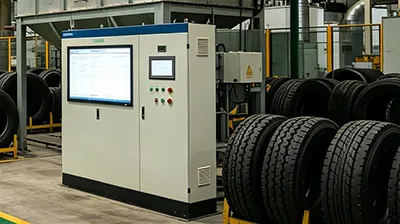
汽车制造商的轮胎合作优势
在快速发展的汽车行业中,轮胎作为核心汽车部件,其性能和质量直接影响车辆的安全性、舒适性、经济性和适应性。汽车制造商对轮胎的需求呈现出规格多样、场景多元的特征。这一趋势反映了汽车产品市场细分的持续扩展以及消费者需求的日益多样化。
实际情况是,单个汽车制造商无法生产所有轮胎类别,这使得与多家轮胎公司合作成为汽车行业的必然选择。这种合作模式不仅有效降低了供应链风险,还通过竞争机制减少了采购成本,为汽车制造商的可持续发展注入了强劲动力。
The reality is that a single automaker cannot produce all tire categories, making collaboration with multiple tire companies an inevitable choice for the automotive industry. This collaborative model not only effectively mitigates supply chain risks but also reduces procurement costs through competitive mechanisms, injecting strong momentum into the sustainable development of automakers.

1. 汽车制造商需求的特征与成因
1. Characteristics and Causes of Automakers' Demand for 轮胎具有多种规格和场景
汽车制造商对轮胎需求的特征表明了这一趋势背后深刻的市场逻辑。随着消费者需求的日益细分,汽车正从传统的交通工具演变为针对多样化生活方式和使用场景而量身定制的个性化产品。
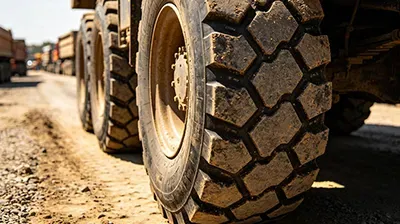
家用汽车用户在日常通勤中对行驶安静性要求极高。静音轮胎凭借其独特的花纹设计和橡胶配方,能有效降低行驶过程中的噪音,为乘客提供舒适的驾乘体验,因此成为家用汽车轮胎的首选。而越野车经常行驶在泥泞、崎岖不平的未铺装路面上,因此需要抓地力强、抗冲击且耐磨的轮胎。
其深花纹设计和高强度轮胎结构确保了车辆在复杂路况下的操控性和安全性。新能源汽车依靠电池供电,对续航里程有严格要求。低滚阻轮胎通过优化胎面结构,减少滚动过程中的能量损耗,可显著提升新能源汽车的续航能力,符合其技术特性和市场需求。
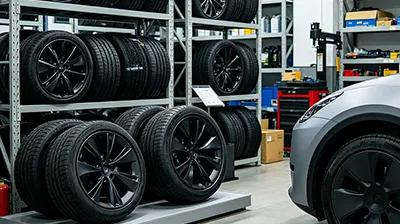
此外,不同车型(如轿车、SUV和MPV)以及不同尺寸(如15英寸、18英寸和22英寸)的轮胎规格各不相同,进一步使汽车公司的轮胎需求变得复杂。单一的轮胎尺寸或类型已无法满足多样化的生产需求。
2. 单一汽车制造商覆盖所有轮胎类别的实际障碍
然而,试图由一家汽车制造商覆盖所有轮胎类别将面临诸多无法克服的障碍。首先,技术研发的进入门槛很高。不同类型的轮胎具有截然不同的研发目标。
静音轮胎需要专注于噪声控制技术,而越野轮胎则必须克服高强度材料和复杂胎体结构带来的挑战。低滚阻轮胎则需在降低滚动阻力与保证耐磨性之间取得平衡。每种轮胎的开发都需要长期的技术积累、专业的研发团队以及大量的资金投入。
一家汽车制造商很难同时掌握多个轮胎产品的核心技术研发。强行在所有产品类别中进行研发,容易导致资源分散,使研发成果难以达到市场领先水平。
其次,生产线建设成本高昂。不同的轮胎尺寸和类型需要专用的生产设备和生产线。例如,大型越野轮胎的生产设备与小型静音轮胎的生产设备完全不同,而且需要专业技术人员来进行生产线的调试和维护。
为不同类型的轮胎建设多条生产线不仅需要大量的前期投资,还会显著增加持续的运营和维护成本。这无疑加重了汽车制造商的财务负担,影响了他们在核心业务(如车辆研发和生产)方面的投入。
此外,生产效率和成本控制方面也存在挑战。全线生产意味着汽车制造商需要同时管理多种轮胎类型的生产。然而,不同轮胎的生产工艺和周期各不相同,使得生产线排程更加困难,难以协调生产,从而降低了整体生产效率。
此外,由于每种轮胎的产量可能无法达到大规模生产的水平,因此无法实现规模经济。单位生产成本将远高于专业轮胎制造商,最终导致轮胎产品在市场上缺乏价格竞争力。
3. 汽车制造商与多家轮胎公司合作的核心优势:风险分散和成本降低
在此背景下,汽车制造商与多家轮胎公司的合作已成为克服这些挑战并实现双赢的最佳途径。其优势主要在于分散供应链风险并降低采购成本。
(一)分散供应链风险:确保汽车生产的连续性
从分散供应链风险的角度来看,在全球化生产体系中,供应链面临诸多不确定性,例如自然灾害、地缘政治冲突、原材料价格波动以及供应商生产事故等。
这些因素都可能导致来自单一供应商的供应中断。如果一家汽车制造商依赖于单一轮胎供应商,而该供应商遇到这些问题并无法及时交货,生产可能会被迫停止。这不仅会造成巨大的经济损失,还可能损害公司的市场声誉和客户信任。
与多家轮胎公司建立合作关系并形成多元化的供应链,可以有效降低这一风险。如果某一供应商出现供应中断,汽车制造商可以迅速转向其他供应商,以确保轮胎的稳定供应并维持整车生产的连续性。
例如,在新冠疫情期间,一些地区的轮胎公司因疫情防控措施而暂停生产。与多家轮胎公司合作的汽车制造商则能够通过利用其他地区供应商的资源,将停产的影响降至最低。
然而,依赖单一供应商的汽车制造商面临停产的困境。此外,多个供应商之间的竞争和制衡也有助于促使供应商重视产品质量和供应稳定性,从而进一步降低供应链风险。
Furthermore, since the production volume of each tire may not reach the level of large-scale production, economies of scale cannot be achieved. Unit production costs will be significantly higher than those of specialized tire manufacturers, ultimately leading to a lack of price competitiveness for tire products in the market.
3. The core advantages of automakers collaborating with multiple tire companies: risk diversification and cost reduction
Against this backdrop, collaboration between automakers and multiple tire companies has become the best path to overcome these challenges and achieve a win-win situation. Its advantages primarily lie in diversifying supply chain risks and reducing procurement costs.
(I) Diversifying Supply Chain Risk: Ensuring Continuity in Vehicle Production
From the perspective of diversifying supply chain risk, in a globalized production system, supply chains face numerous uncertainties, such as natural disasters, geopolitical conflicts, raw material price fluctuations, and supplier production accidents.
These factors can all lead to supply disruptions from a single supplier. If an automaker relies on a single tire supplier and that supplier encounters these issues and is unable to deliver on time, production could be halted. This would not only result in significant economic losses but also potentially damage the company's market reputation and customer trust.
Establishing partnerships with multiple tire companies and forming a diversified supply chain effectively mitigates this risk. If a single supplier experiences a supply disruption, automakers can quickly switch to other suppliers to ensure a stable supply of tires and maintain the continuity of vehicle production.
For example, during the COVID-19 pandemic, tire companies in some regions suspended production due to epidemic prevention and control measures. Automakers that partnered with multiple tire companies were able to minimize the impact of the suspension by leveraging resources from suppliers in other regions.
Automakers that relied on a single supplier, however, faced the dilemma of a production halt. Furthermore, the competition and checks and balances among multiple suppliers can also encourage suppliers to prioritize product quality and supply stability, further mitigating supply chain risks.

(二)降低采购成本:利用竞争实现成本优化
从降低采购成本的角度来看,多家轮胎公司之间的竞争机制可以为汽车制造商带来显著的成本优势。在合作过程中,作为买方的汽车制造商拥有更大的选择空间和议价能力。
为了获得订单,不同的轮胎公司将在产品价格、质量和售后服务方面展开竞争。汽车制造商可以利用这种竞争态势,对比不同供应商的报价和产品优势,选择最具成本效益的合作方,从而有效降低采购成本。
同时,随着合作规模的扩大,汽车制造商可以与供应商协商更有利的采购价格和付款条件。例如,当汽车制造商向轮胎公司下达大宗采购订单时,供应商通常愿意提供折扣,以确保获得稳定的订单和销售。
此外,多个供应商的存在可以促使他们不断优化生产流程、提高效率并降低自身成本,最终使他们能够向汽车制造商提供价格更低的产品。
从长远来看,这种竞争机制不仅有助于汽车制造商降低当前的采购成本,还将推动整个轮胎行业的成本优化和技术进步,为汽车制造商带来持续的成本效益。
At the same time, as the scale of collaboration expands, automakers can negotiate more favorable procurement prices and payment terms with suppliers. For example, when an automaker places a large purchase order with a tire company, the supplier is often willing to offer a discount to secure stable orders and sales.
Furthermore, the presence of multiple suppliers can encourage them to continuously optimize their production processes, improve efficiency, and reduce their own costs, ultimately enabling them to offer lower-priced products to automakers.
In the long run, this competitive mechanism will not only help automakers reduce their current procurement costs but also drive cost optimization and technological advancement across the tire industry, generating sustained cost benefits for automakers.